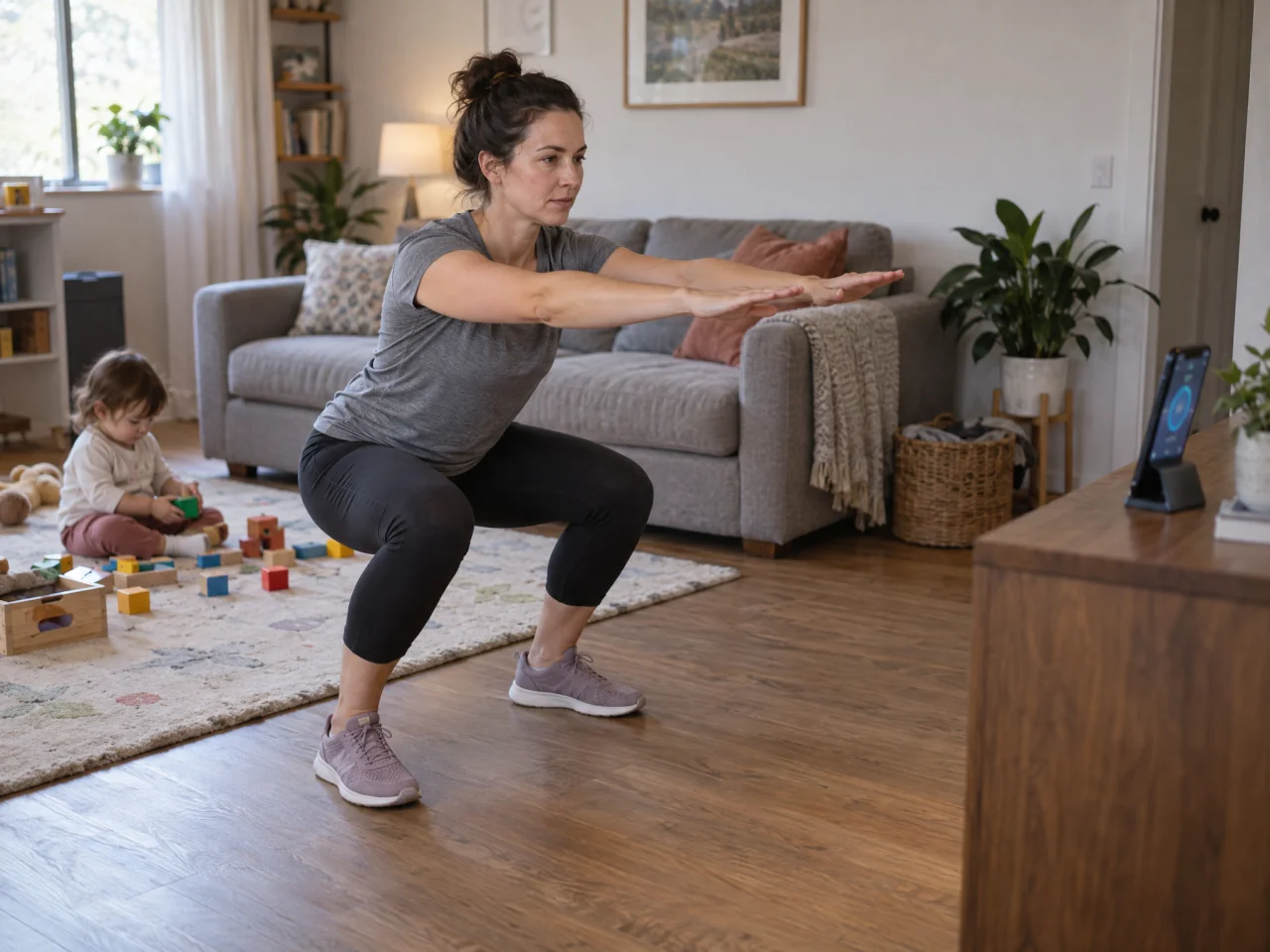
Beginner workout plan for busy parents
Get a simple, no-equipment home workout that fits into 15 minutes and makes it easier to get started.
Make short workouts work
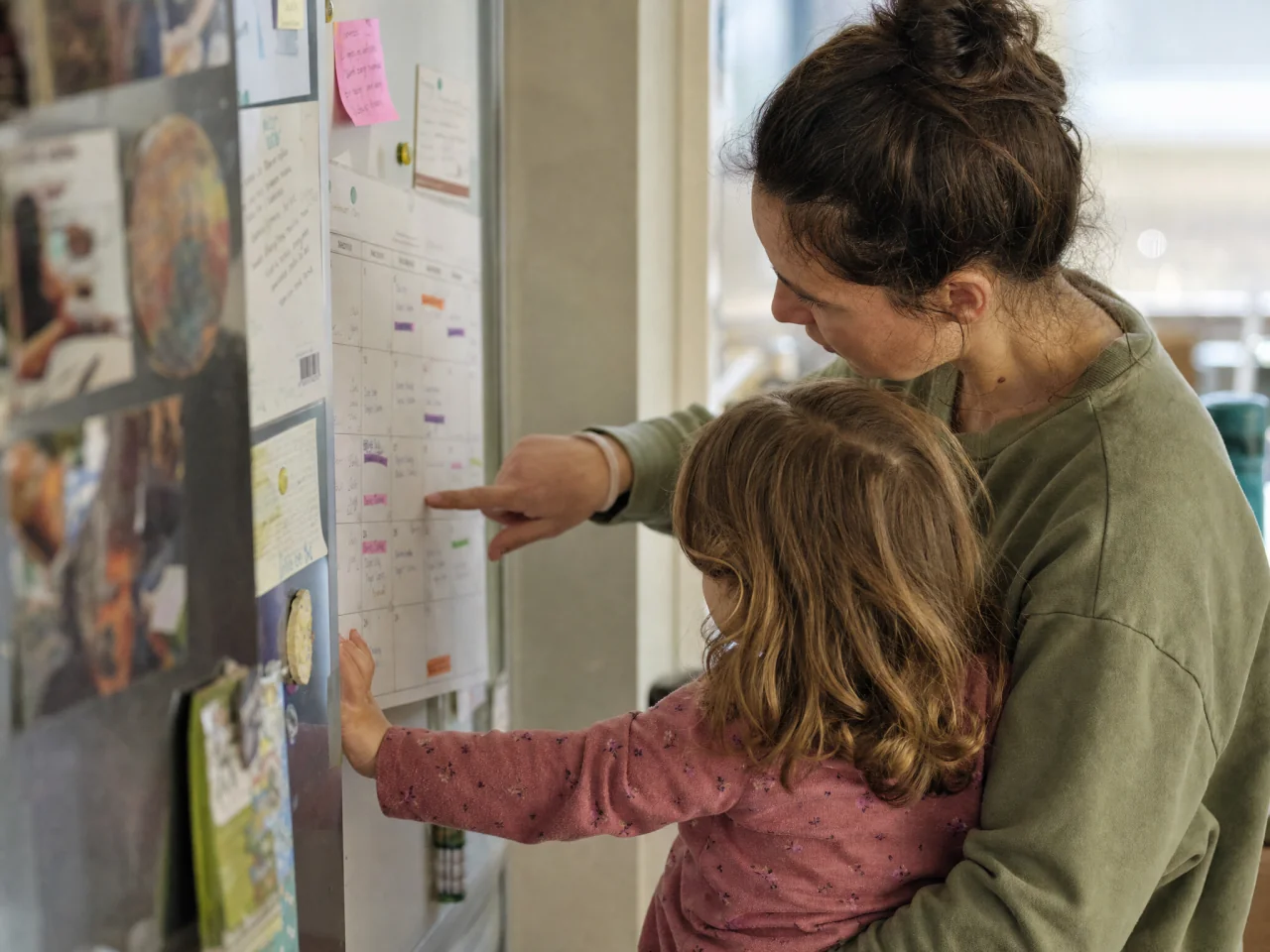
Short workouts count when they are simple enough to begin and flexible enough for family life. A good plan leaves room for interruptions, low-energy days, and missed sessions without making you start over.
Share the days and minutes you usually have, your space, and any moves you avoid. ChatGPT can turn those details into a realistic no-equipment routine with easier options and a short fallback.
What a short workout looks like
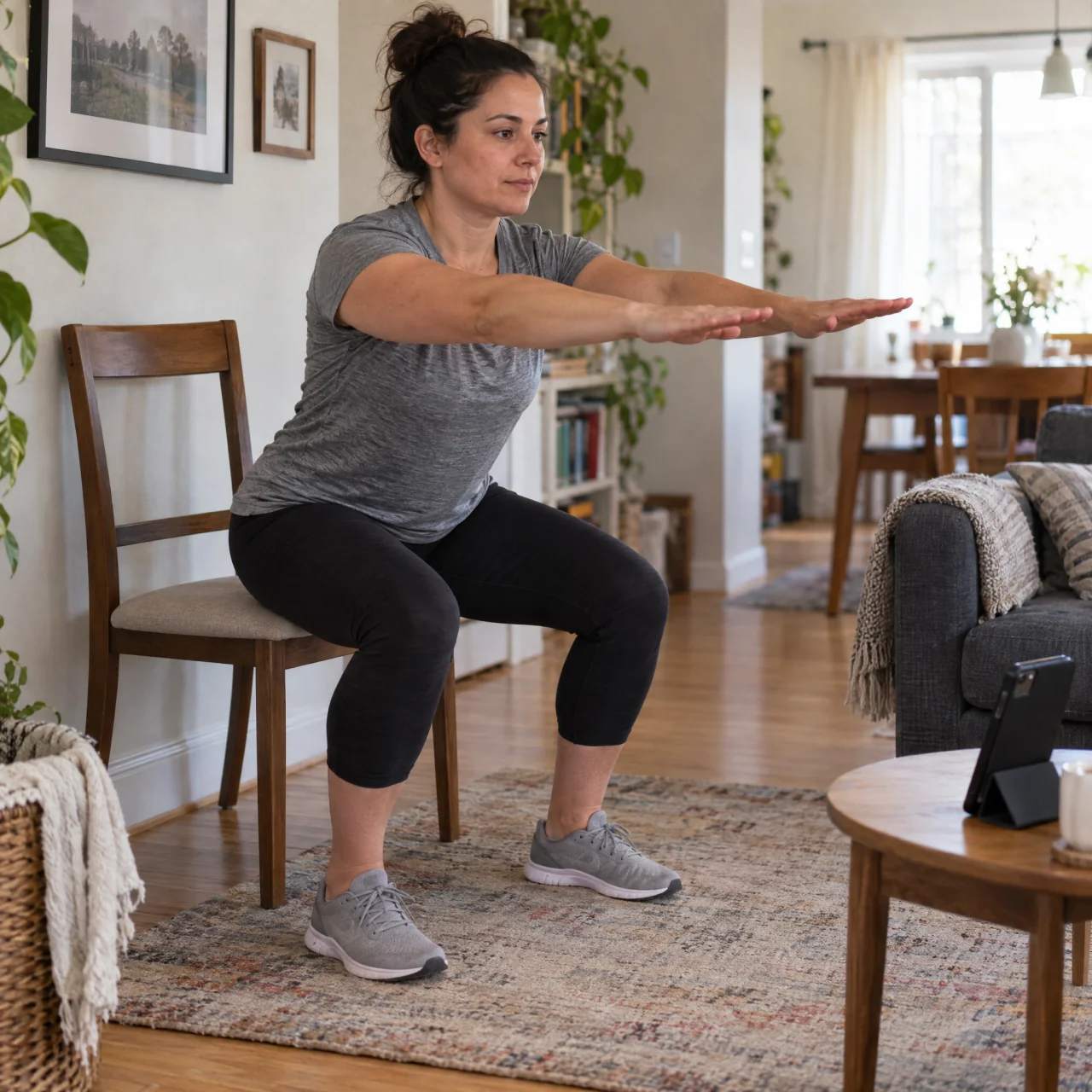
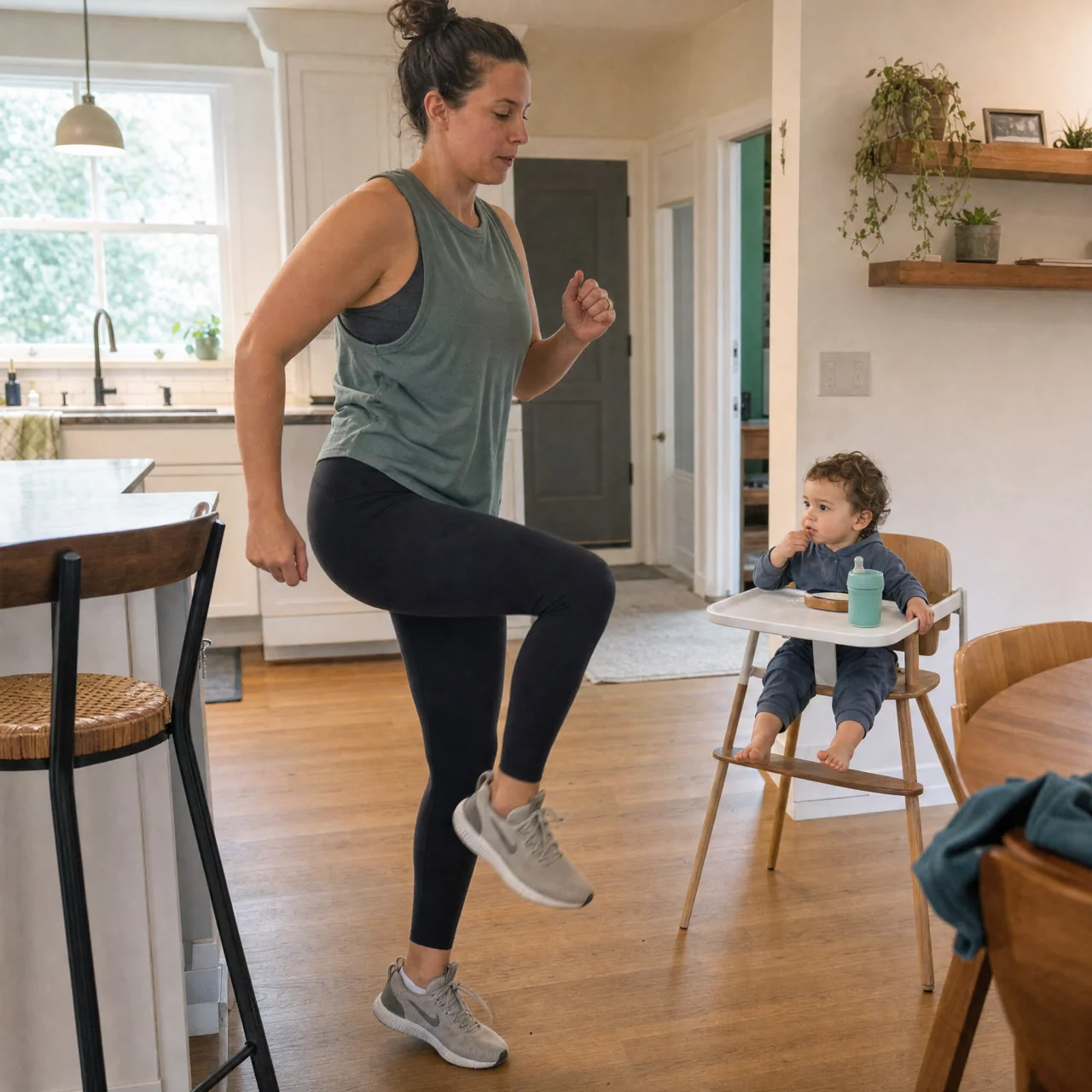
A 15-minute home workout can be simple: two minutes of easy marching, then two rounds of chair squats, wall push-ups, glute bridges, and standing knee lifts, followed by a short cool-down. Slow, steady reps matter more than racing the clock. ChatGPT can show you another short, no-equipment workout with a clear exercise order, work times, rest times, and easier options for each move.
Workouts that survive interruptions
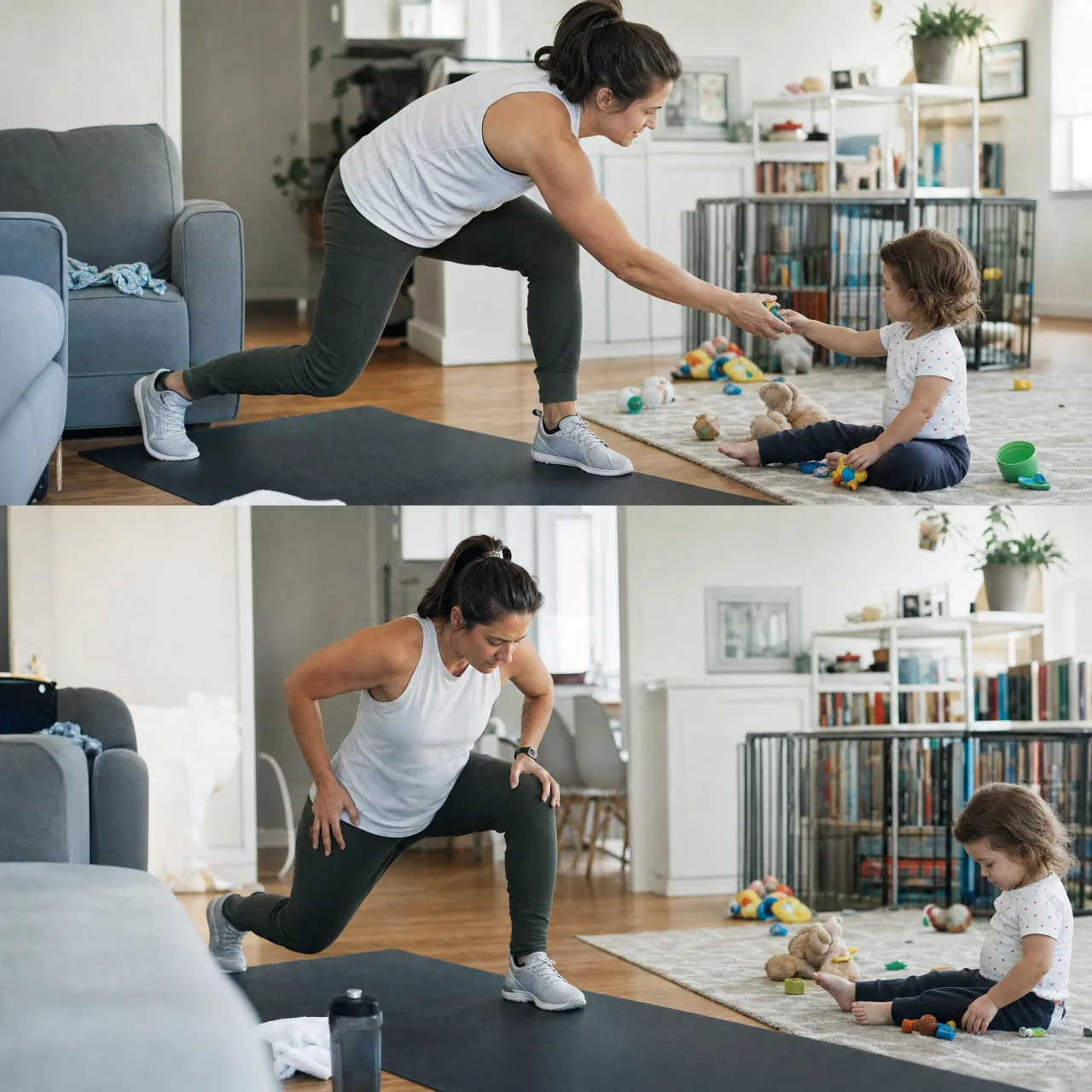
Busy-parent workouts need room for late pickups, poor sleep, and children who need attention. A 15-minute session can become three five-minute blocks, and a missed day can move without turning the week into a failure. ChatGPT can use your open time blocks, available space, equipment, and common interruptions to suggest flexible workout windows and shorter backup versions.
A weekly plan you can use
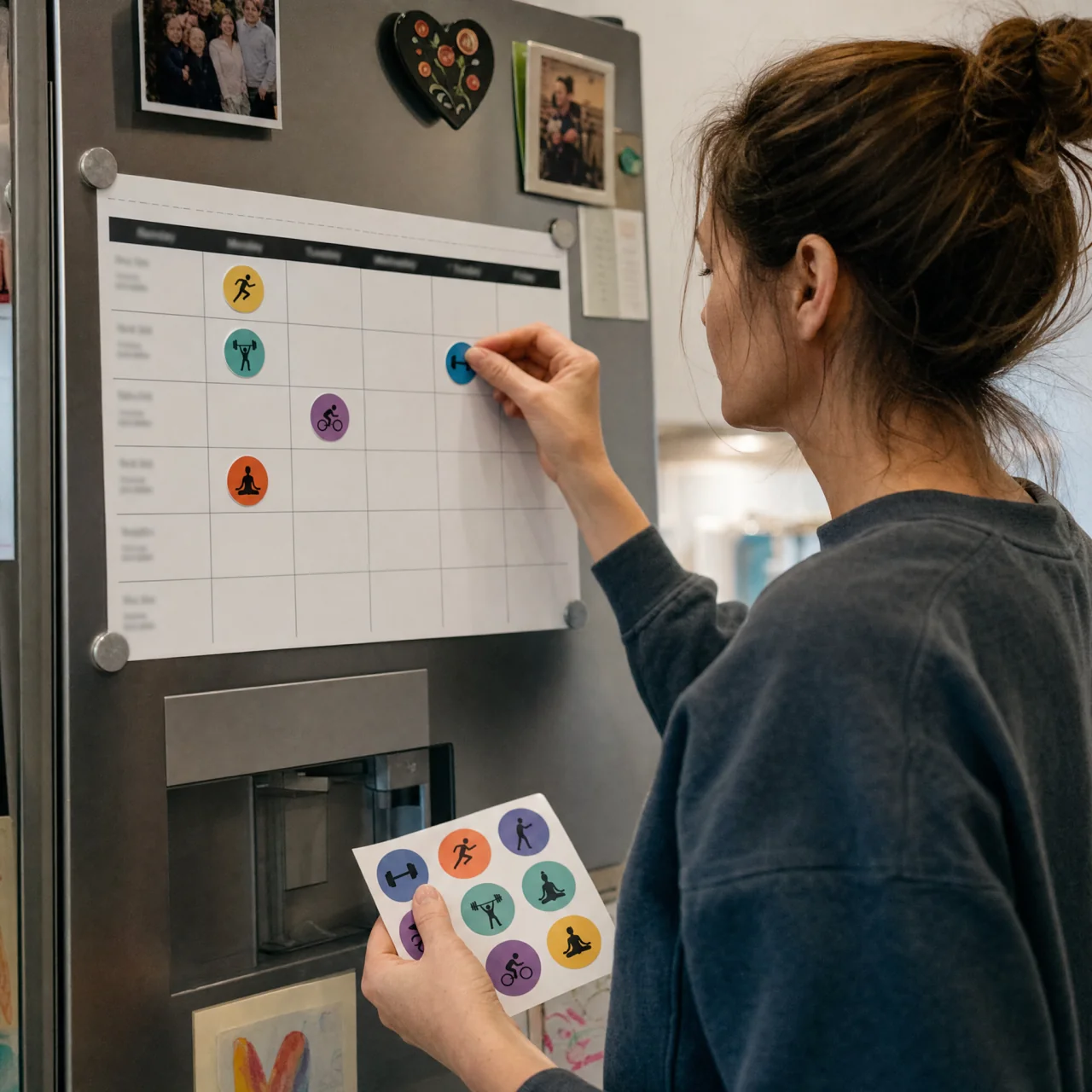
A useful starter week can be just three short strength-and-cardio sessions with rest days between them. Repeating a small set of moves keeps setup easy and lets you notice progress without adding more decisions to a packed day. ChatGPT can draft a weekly home routine from your available days, minutes per session, equipment, and any movements you need to avoid.
Adjust without starting over
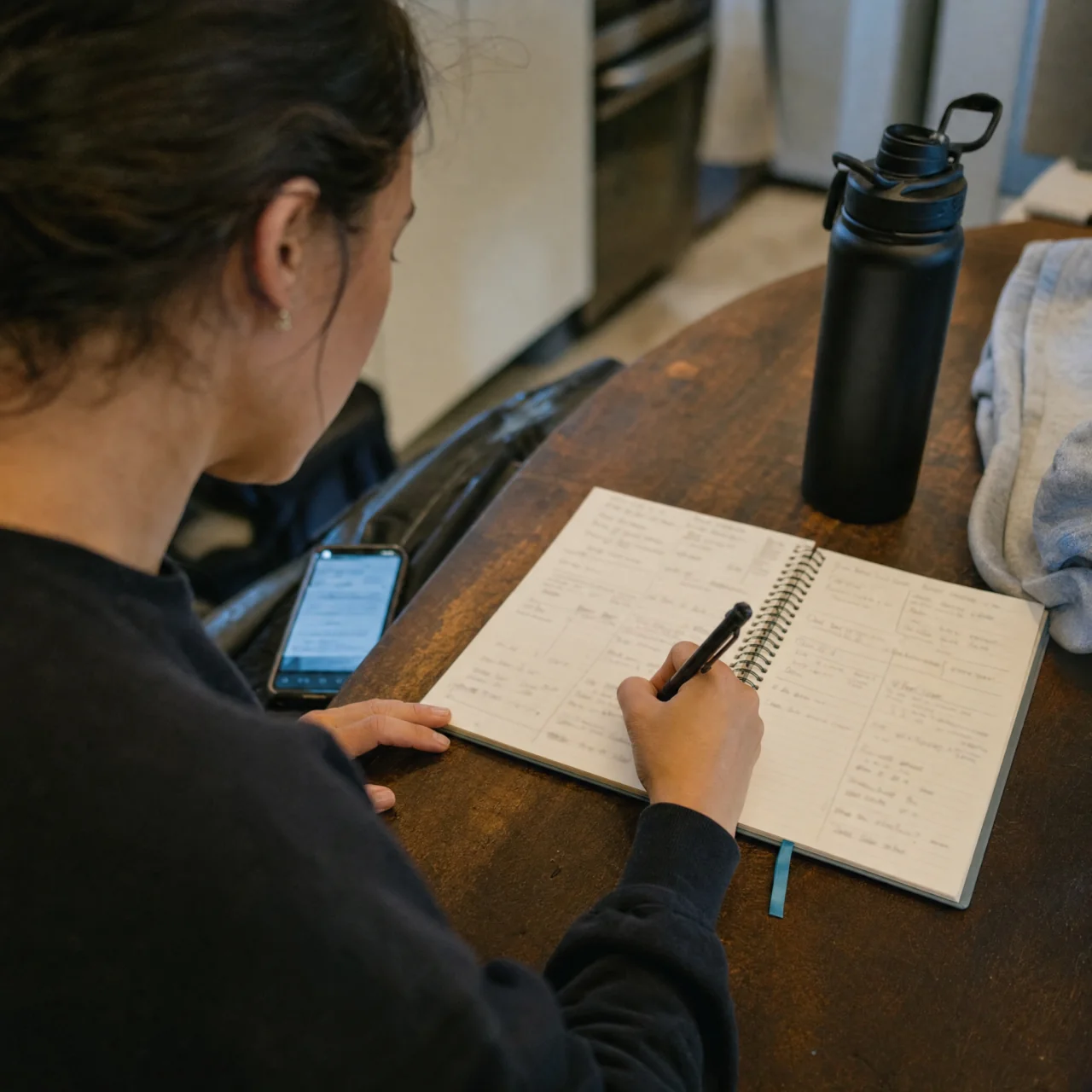
After the first week, adjust without judging yourself: cut a round or choose easier moves if you're very sore, or gradually add reps if workouts feel easy. Stop exercising for sharp pain, dizziness, or chest discomfort and seek medical advice; for persistent or returning chest pressure or discomfort, especially with shortness of breath or faintness, call 911 immediately rather than waiting for advice in chat. ChatGPT can review your current routine and notes about time, effort, soreness, and missed sessions, then revise the next week without changing everything.
A backup for packed days
Consistency is easier when every workout has a smaller fallback. Link the regular session to a steady cue, such as after school drop-off, and keep a five-minute version for days when the full plan will not happen. ChatGPT can use your usual routine, likely schedule problems, and best time cues to suggest a simple backup plan that keeps the habit moving.
問問 ChatGPT

Build a balanced fitness routine
For a broader look at fitness, explore how strength, cardio, balance, flexibility, and rest can support your goals over time.