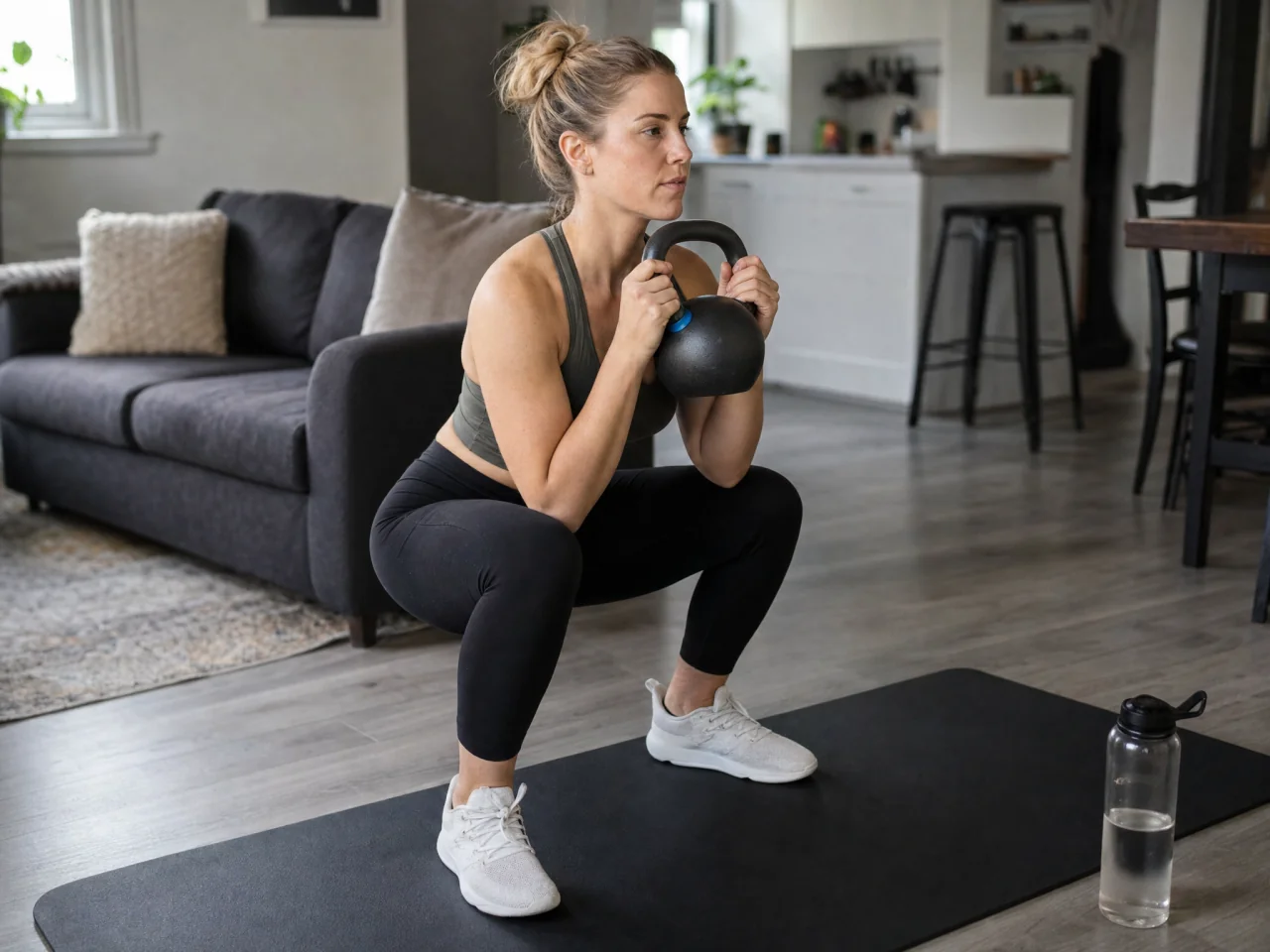
Kettlebell workout for beginners
Learn four basic movements, follow a 15-minute session, and build a routine you can repeat safely as your control improves.
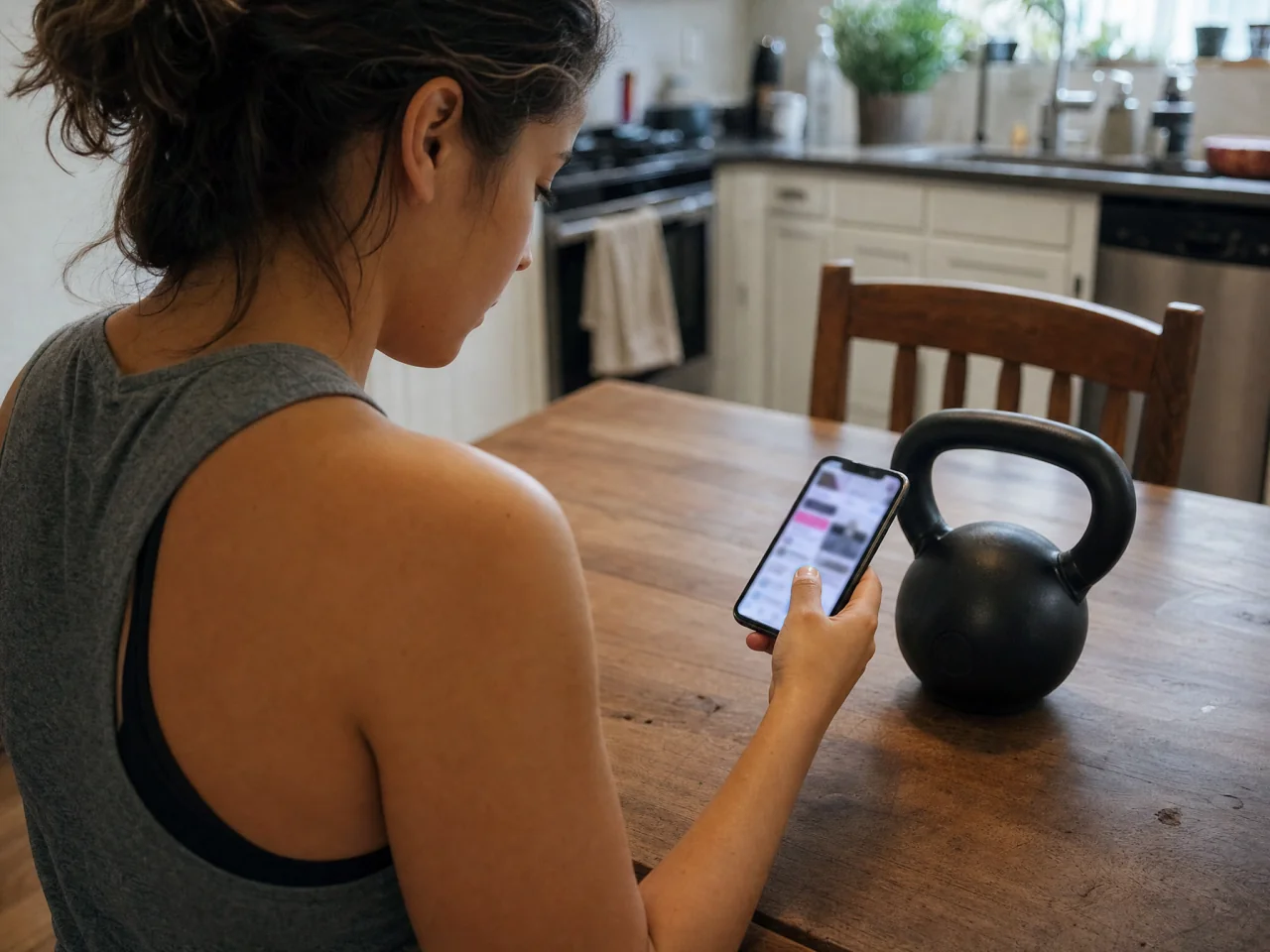
Your first steps with a kettlebell
Your first kettlebell workouts should feel simple enough to repeat, not packed with new moves. A clear plan lets you focus on steady form, useful rest, and small changes over time.
Share how much time you have, which movements you have practiced, and how many days you can train. ChatGPT can turn those details into a first-session guide that fits your starting point.
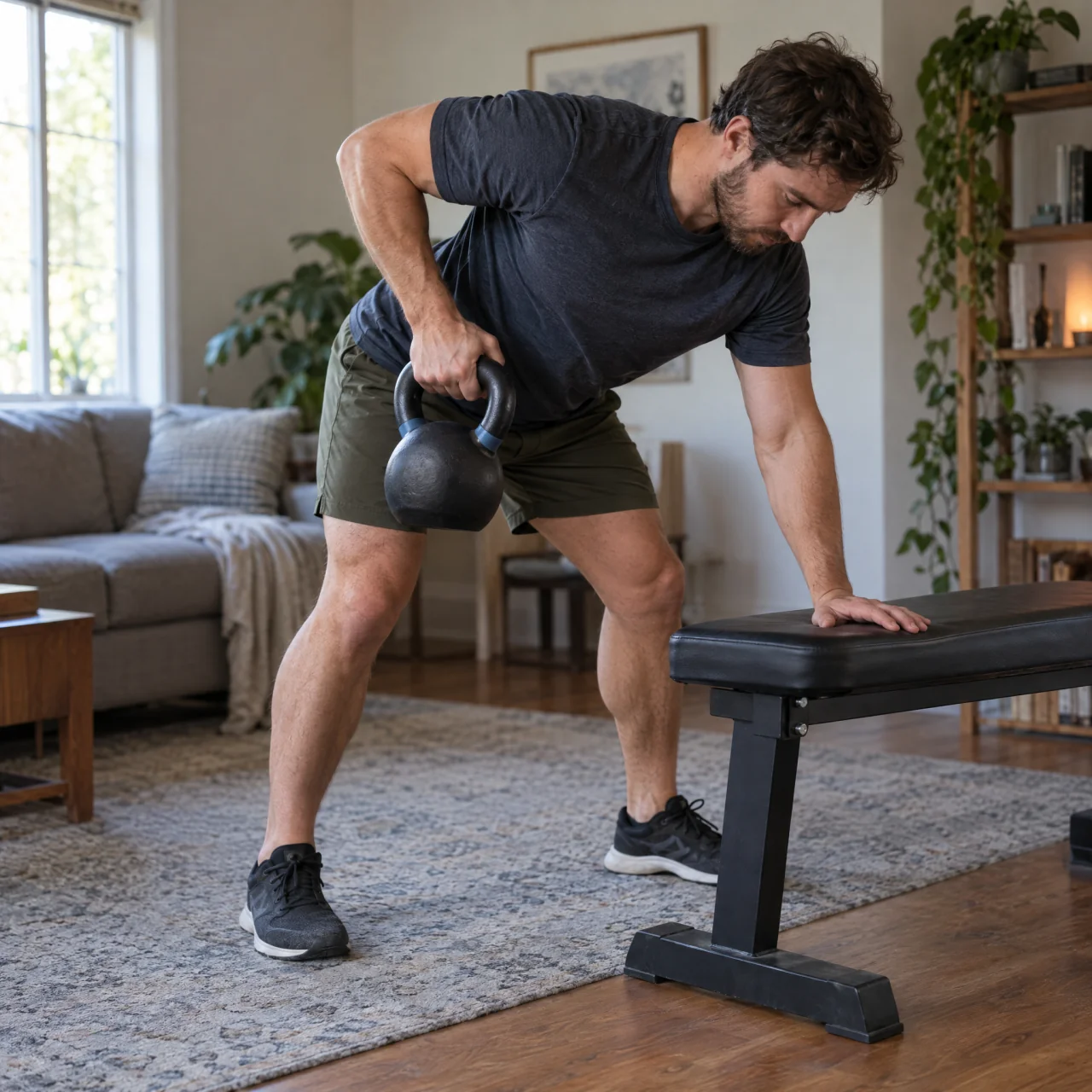
Practice four moves before the circuit
Before the circuit, rehearse a few slow deadlifts with the bell between your feet and hips moving back, then goblet squats with the bell close to your chest and knees tracking with your toes. For supported rows, brace your free hand on a sturdy surface and draw the elbow toward your ribs without twisting; for suitcase carries, walk slowly with the bell at one side, staying tall without leaning. ChatGPT can guide you through a slow practice of these four moves, with setup instructions and one control check for each.
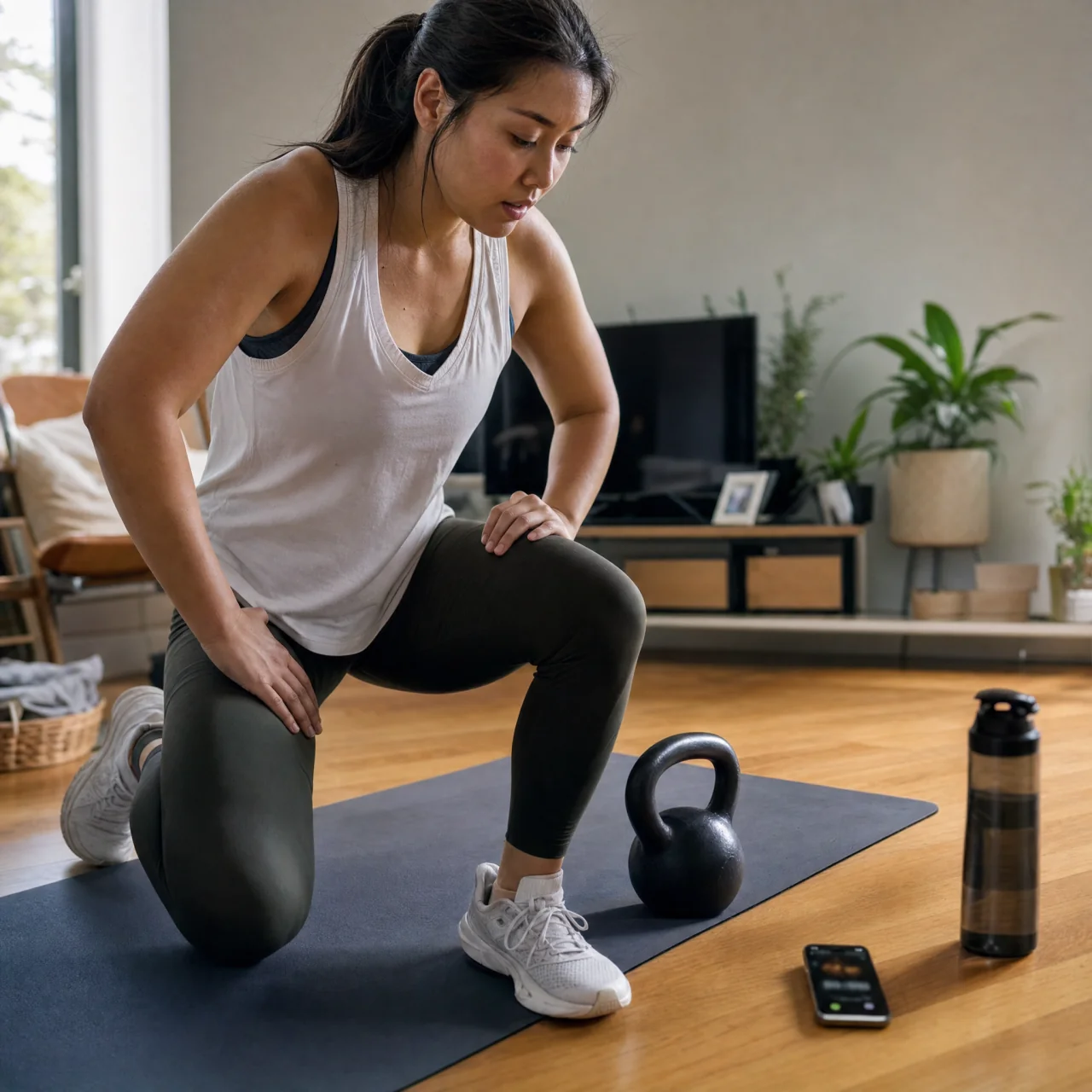
A simple 15-minute first session
After two easy warm-up minutes, do two rounds of 8 deadlifts, 6 goblet squats, 6 supported rows per side, and a 20-second suitcase carry per side, resting 30 to 60 seconds between movements or longer as needed. Stop and set the bell down for sharp pain, dizziness, numbness, or slipping control; seek medical care for persistent symptoms, and call 911 immediately for possible heart-attack signs such as persistent or returning chest pressure, especially with shortness of breath or faintness. ChatGPT can turn this sample into a minute-by-minute walkthrough that shows when to change movements, switch sides, rest, and finish.
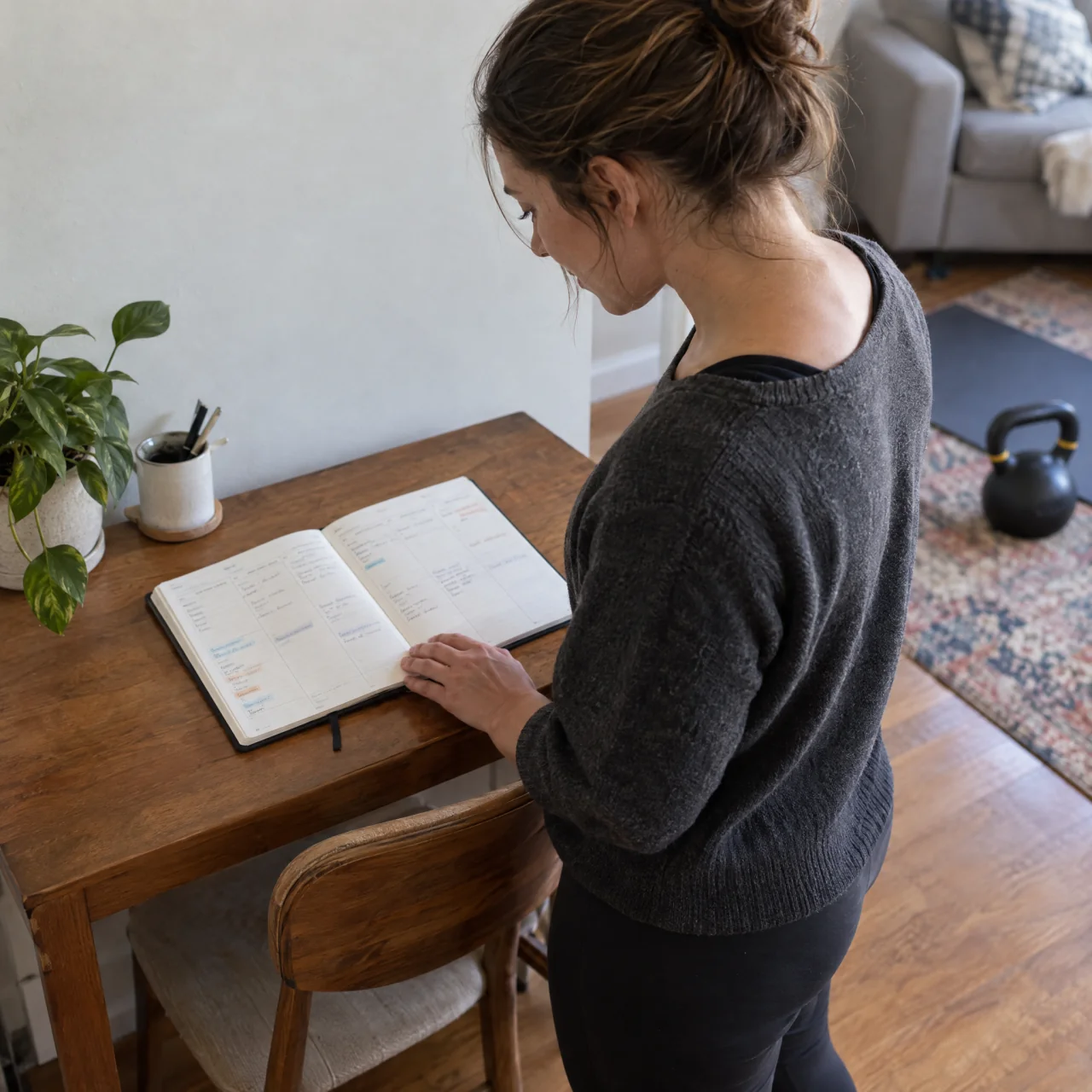
A weekly routine you can repeat
Two or three kettlebell sessions on nonconsecutive days give beginners time to practice and recover. The same core movements can stay in place for several weeks, while session length and the number of rounds can match the time you have and the movements you already know. ChatGPT can use your available days, minutes per session, and practiced movements to create a simple weekly kettlebell plan with work and recovery days.
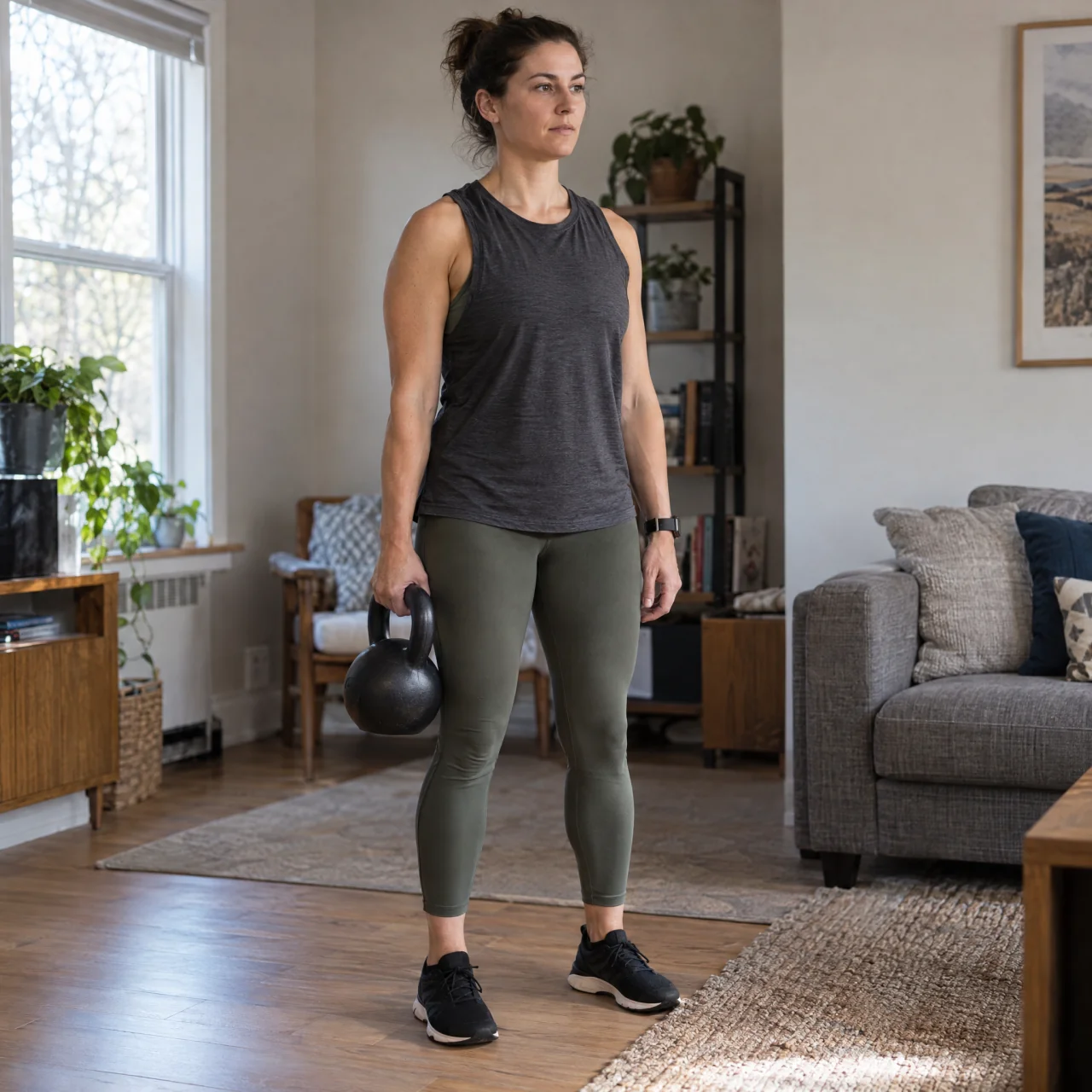
Carry the bell or hold it still
A suitcase carry practices staying upright while walking with the bell at one side, while a stationary suitcase hold lets you practice the same upright position without needing a walking path. If space is tight, replace each 20-second carry with a hold of up to 20 seconds on that side, keeping your shoulders level and setting the bell down before your grip or posture slips. ChatGPT can compare walking carries with stationary holds and explain how to use either option in the carry portion of a beginner kettlebell workout.
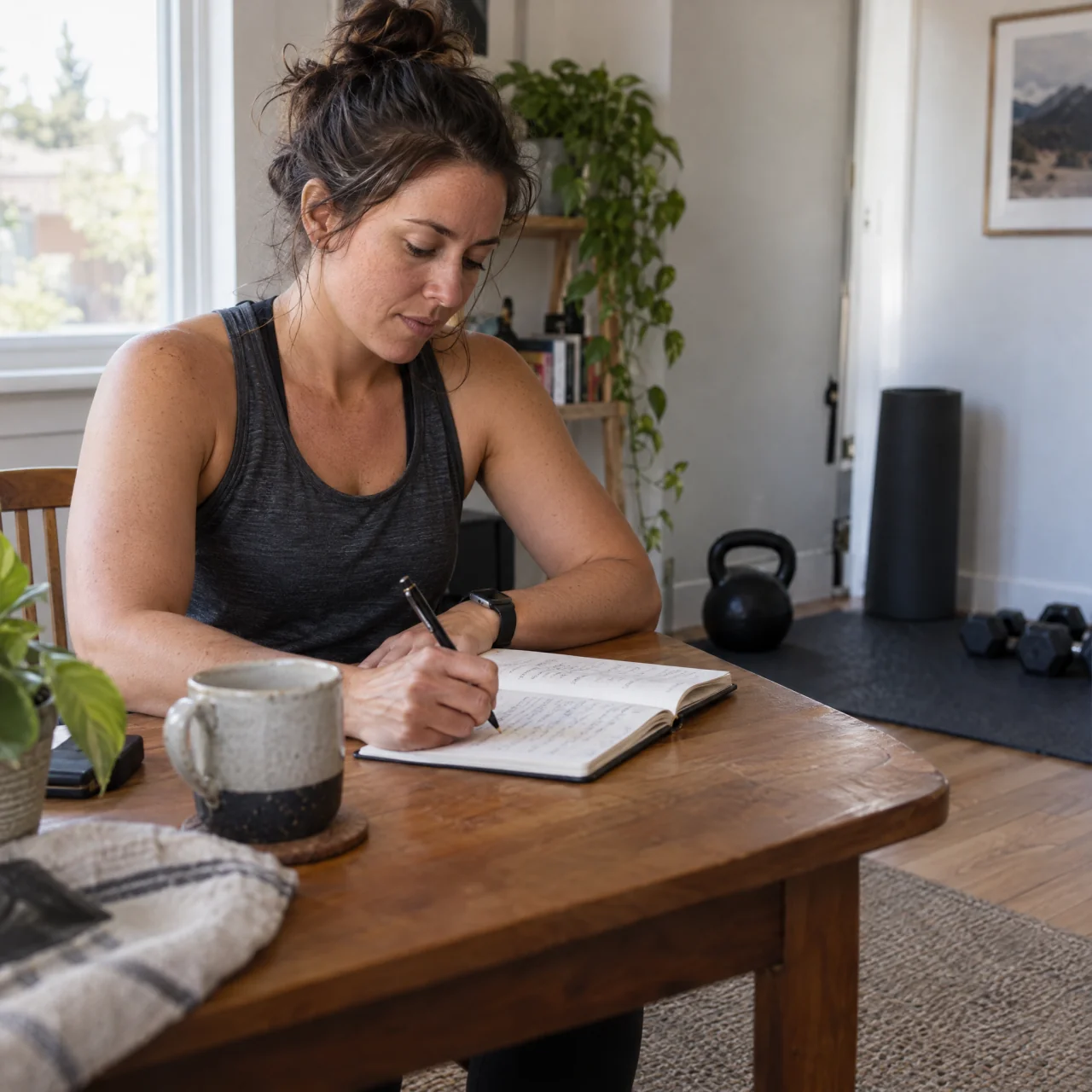
Progress without rushing the basics
When every rep stays controlled for two sessions, change only one part of the routine. You might add one or two reps, complete one extra round, extend a carry slightly, or shorten a rest, but keeping the other parts steady makes it easier to notice when form begins to fade. ChatGPT can use your recent rounds, reps, rest times, and form notes to suggest one small change for the next kettlebell session.
問問 ChatGPT
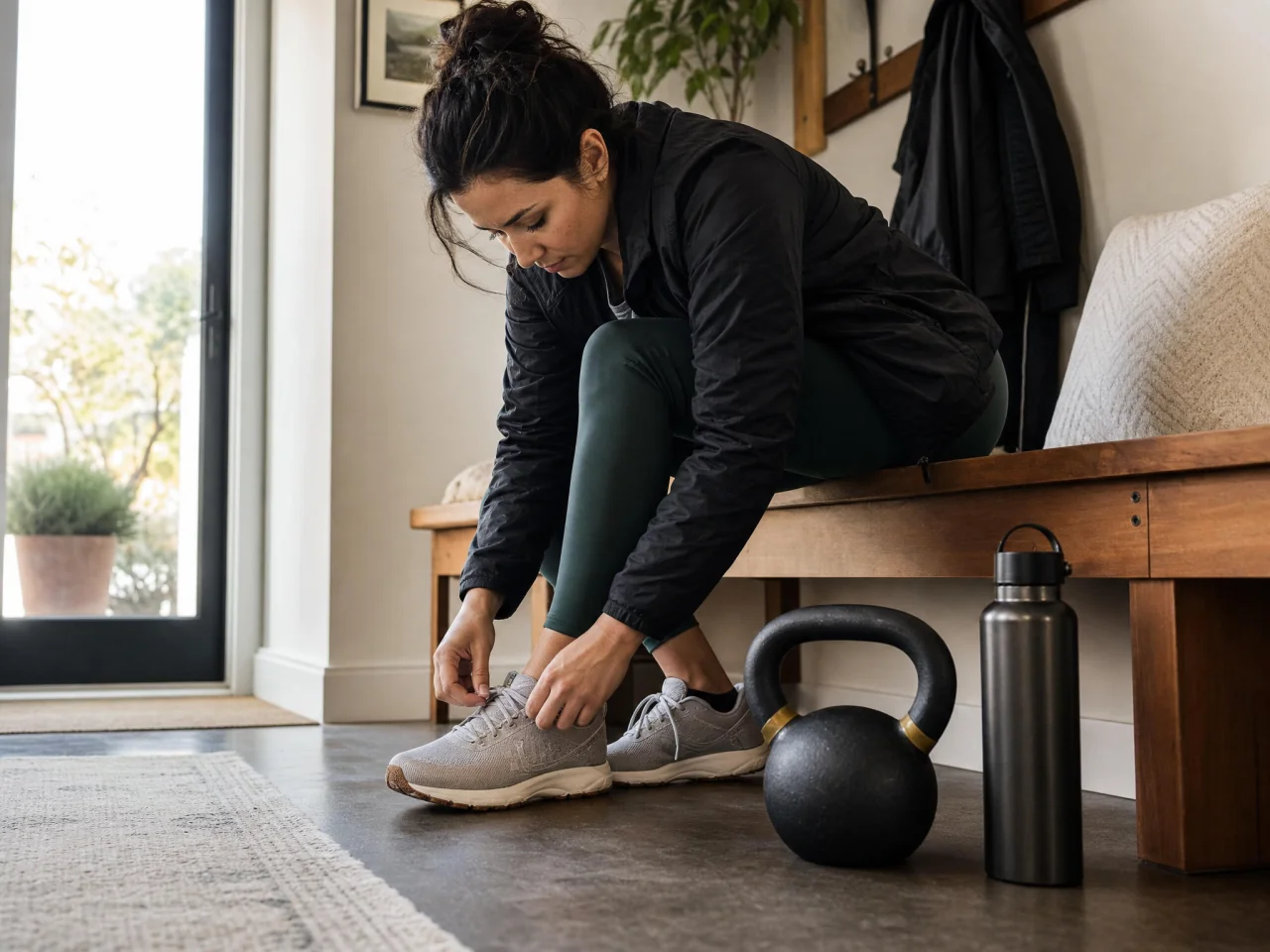
Build a balanced week of movement
Add walking, mobility, and recovery around your kettlebell sessions. ChatGPT can use your available days and time to build a balanced week or review one you already follow.