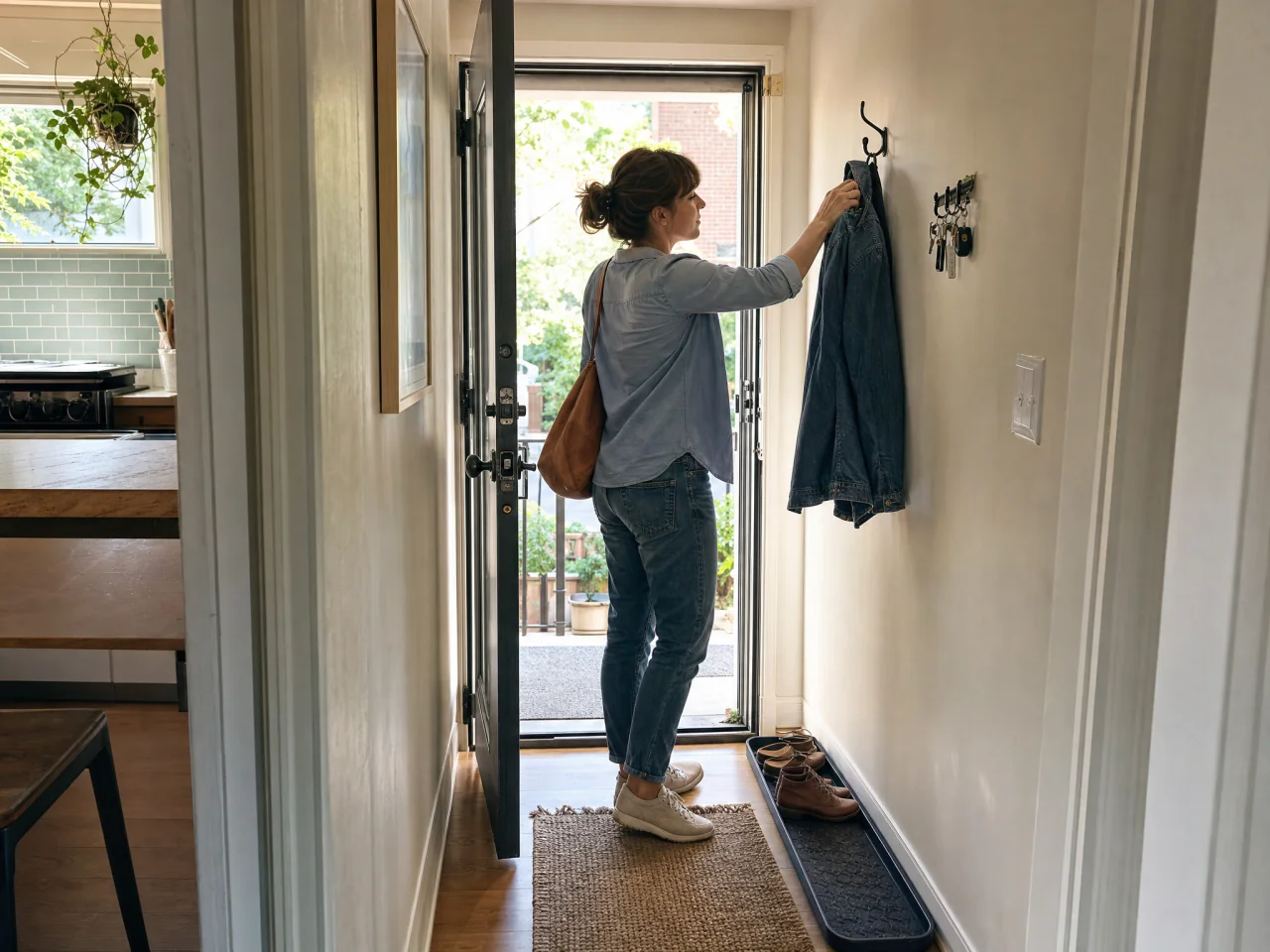
How to organize an entryway in a small space
Use your entryway’s walls and narrow gaps to give shoes, bags, keys, and coats clear homes while keeping the door and walking path open.
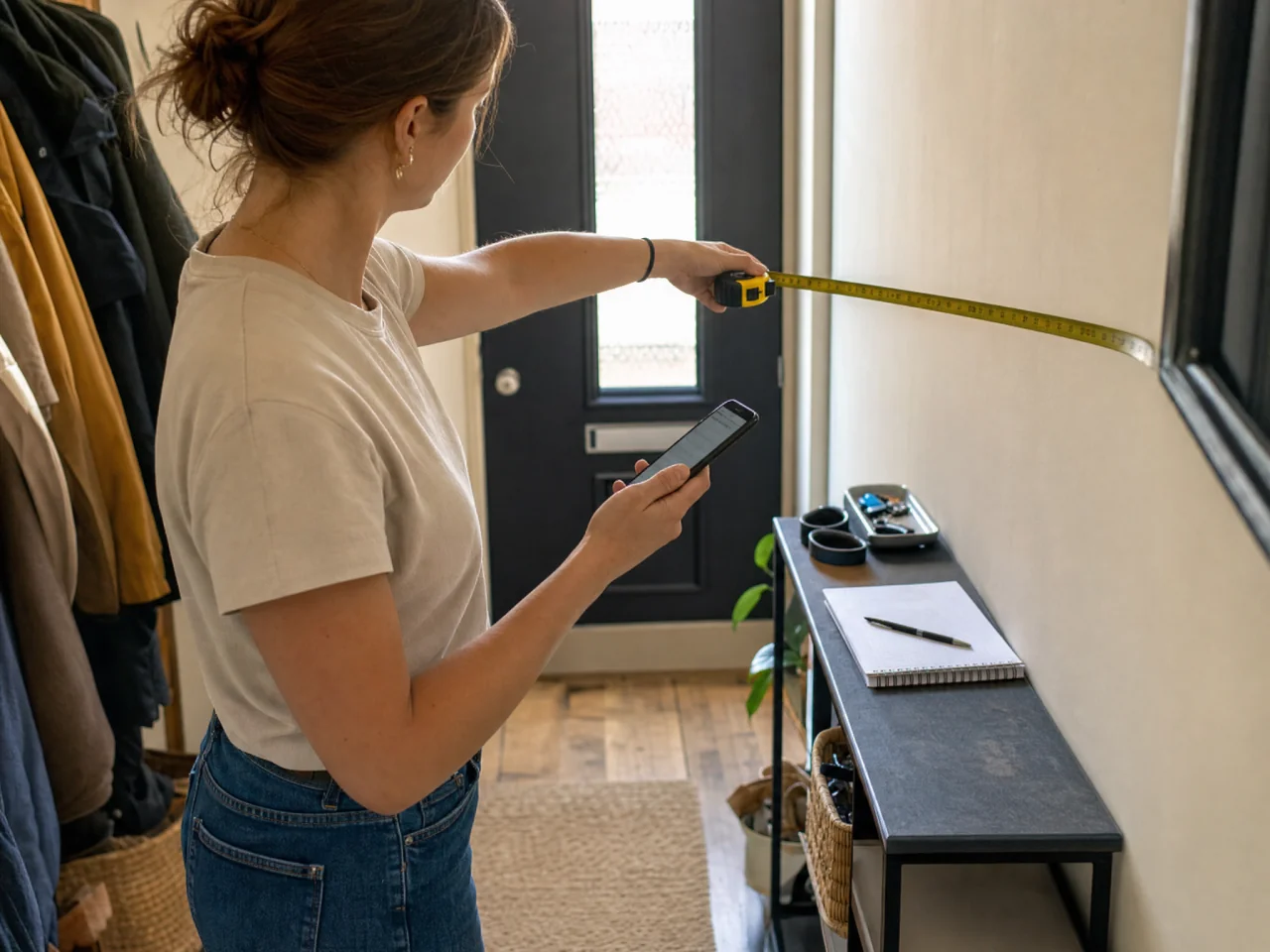
Make a tight entry work
A small entryway works best when every daily item has a reachable home and the door and walking path stay open. The right setup uses wall height and narrow gaps without crowding the floor.
Share your entryway’s size, door swing, household needs, and the items you use each day. ChatGPT can turn those details into a practical layout that uses your existing storage and fits your routine.
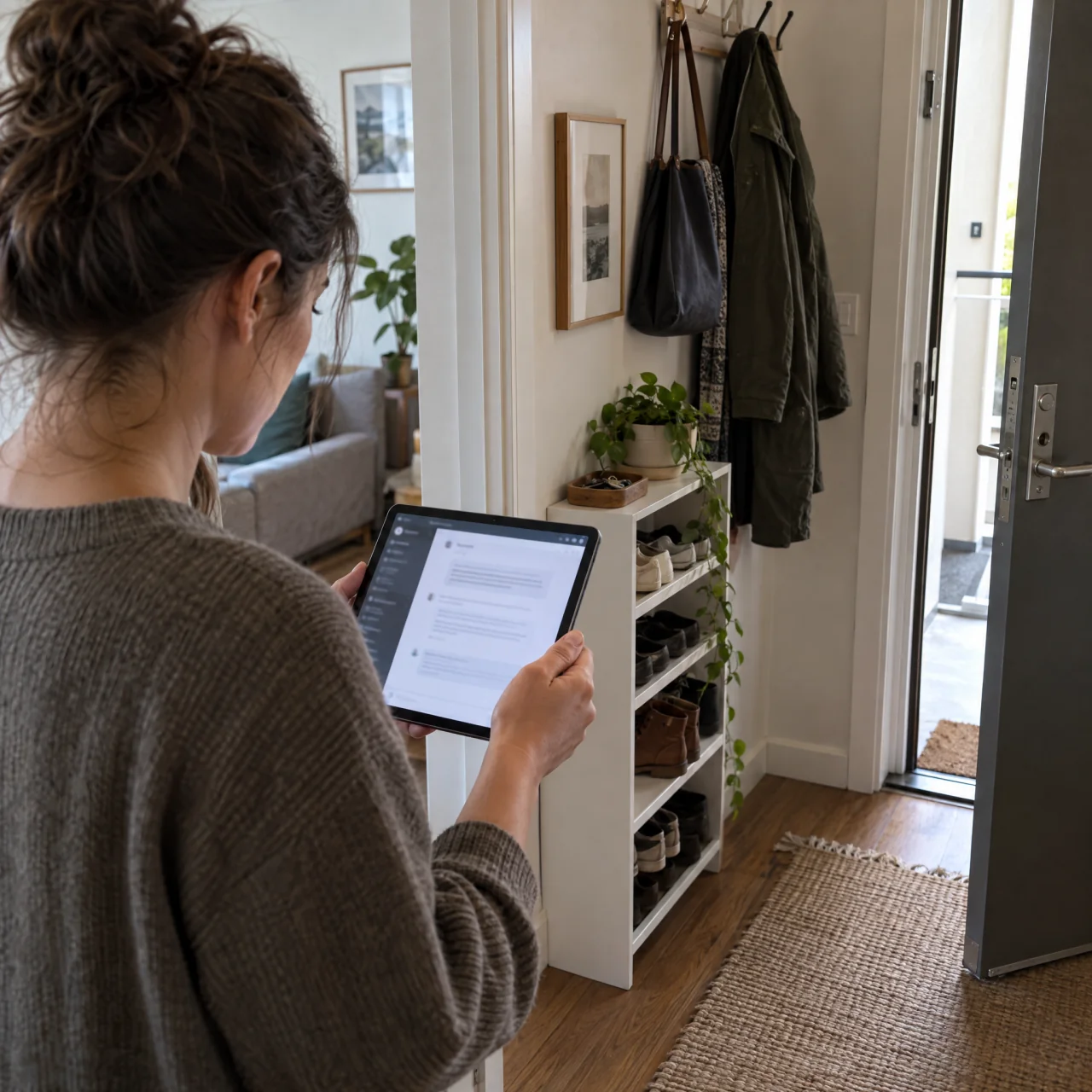
Layouts that fit a tight entry
Small entryways usually work best with a slim wall zone, a vertical stack, or separate spots for each person. The right choice depends on door swings, open wall width, foot traffic, and which daily items need to stay close. ChatGPT can compare these layouts using your measurements, household size, and daily items, then explain which option uses the space with the least crowding.
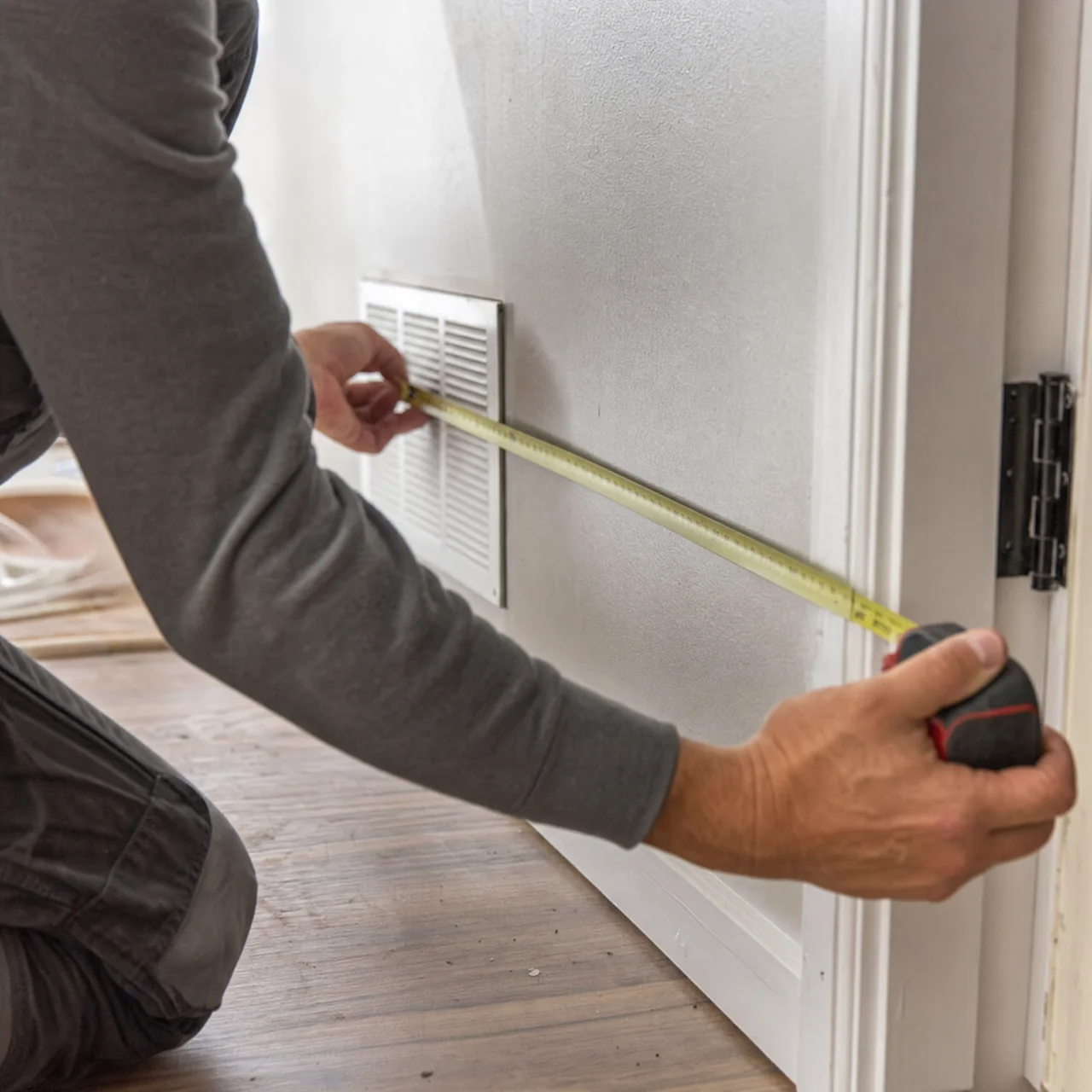
Measurements that shape the plan
Good measurements prevent an orderly setup from blocking a door or narrowing the path. Record usable wall width, available depth, door movement, outlet or vent locations, and the daily items that must fit near the entrance. ChatGPT can walk you through measuring the entryway and create a checklist for recording dimensions, obstacles, mounting limits, and daily storage needs.
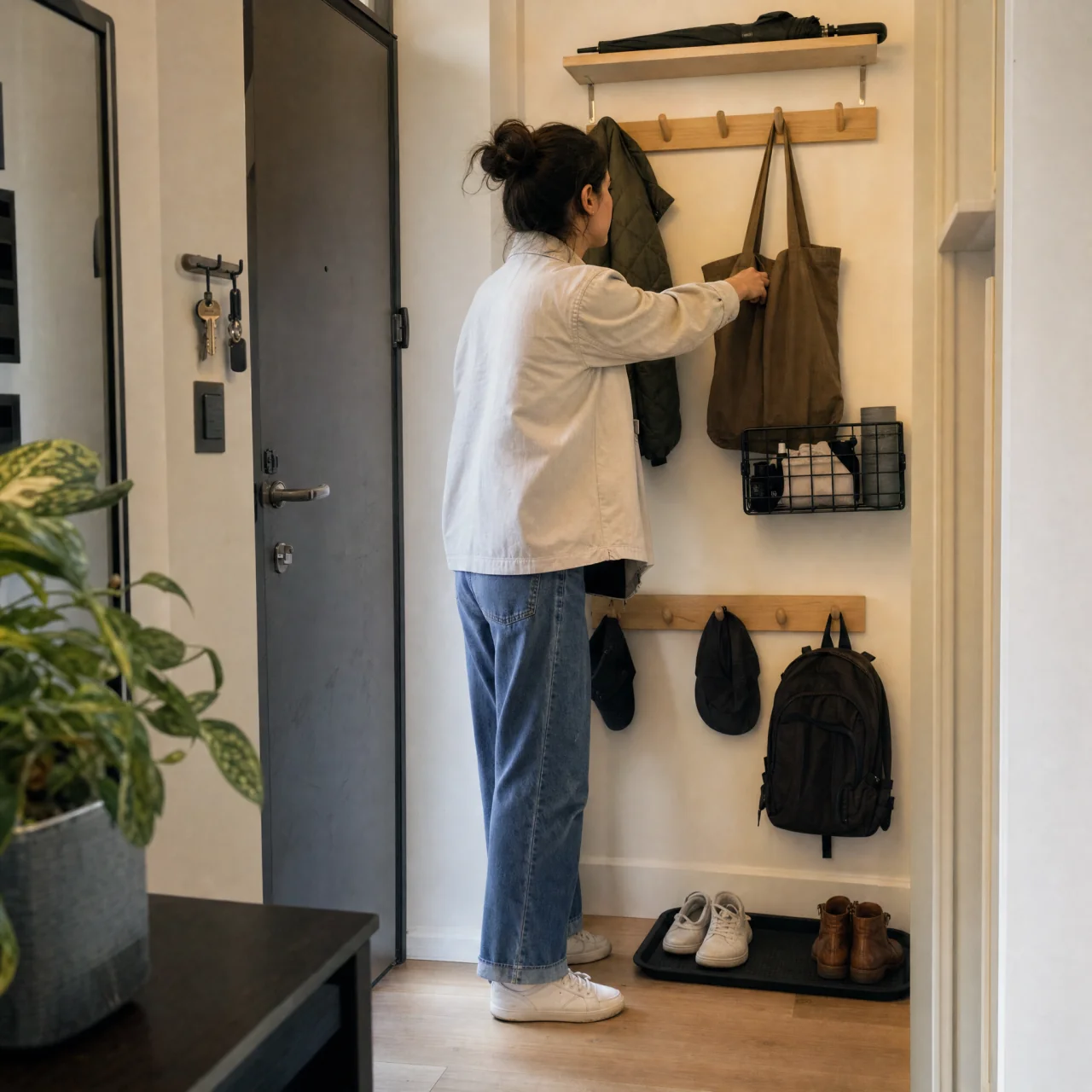
A home for every daily item
Each item should have a home based on when and how often it is used. Keep keys and small essentials near the door, place everyday shoes low, use higher space for less-used gear, and separate incoming items from things ready to leave. ChatGPT can use your space brief to draft a zone-by-zone entryway plan that assigns your existing storage and daily items to practical locations.
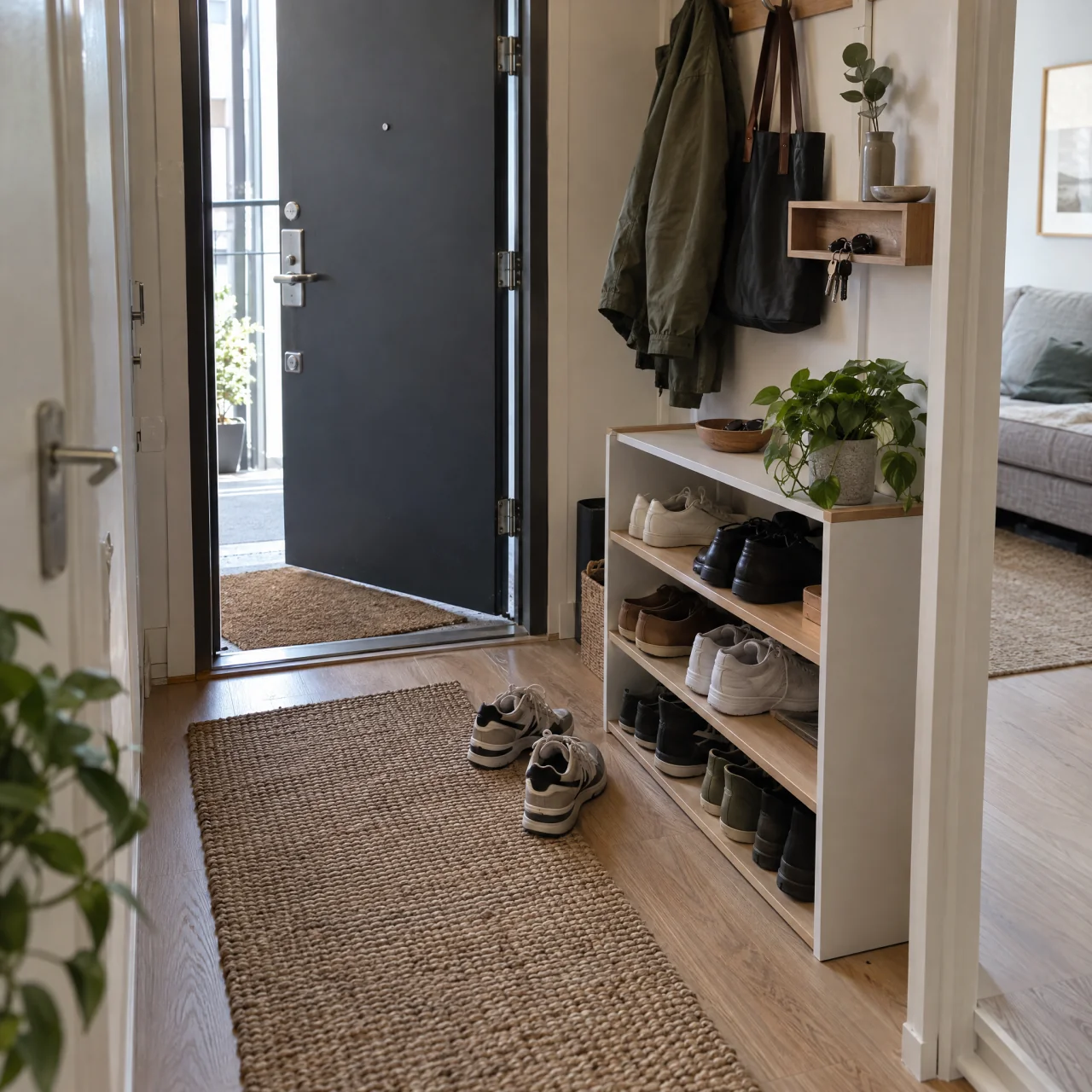
Keep the path clear
An entryway can look orderly but still be hard to use. Common trouble spots include shoes in the walking path, hooks that crowd the doorway, storage that blocks a switch or vent, and items placed too high or low for the people who use them. ChatGPT can review a photo or sketch of your setup, flag access and traffic problems, and suggest small placement changes using what you already have.
問問 ChatGPT
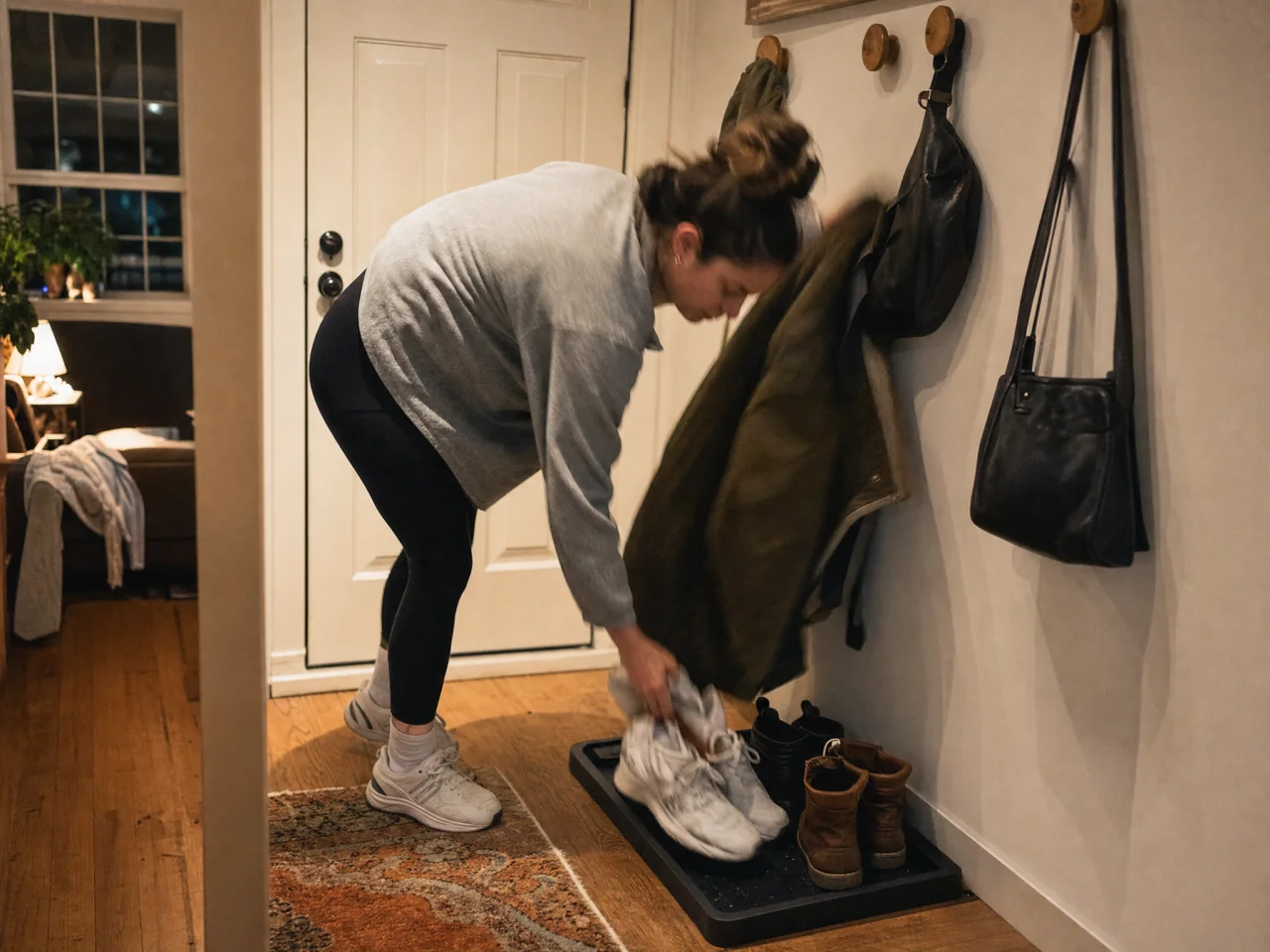
Keep busy spaces in order
Use the same clear-home and open-path thinking across busy areas of your home. A simple weekly routine can keep daily items from drifting out of place.